Rajgad College of Engineering & Research
B.Tech Computer Science & Engineering◷ 4 yearsFull time📝 JEE Main, MHT CET ★ 3.0
Total fees
₹6,75,000
2026-27
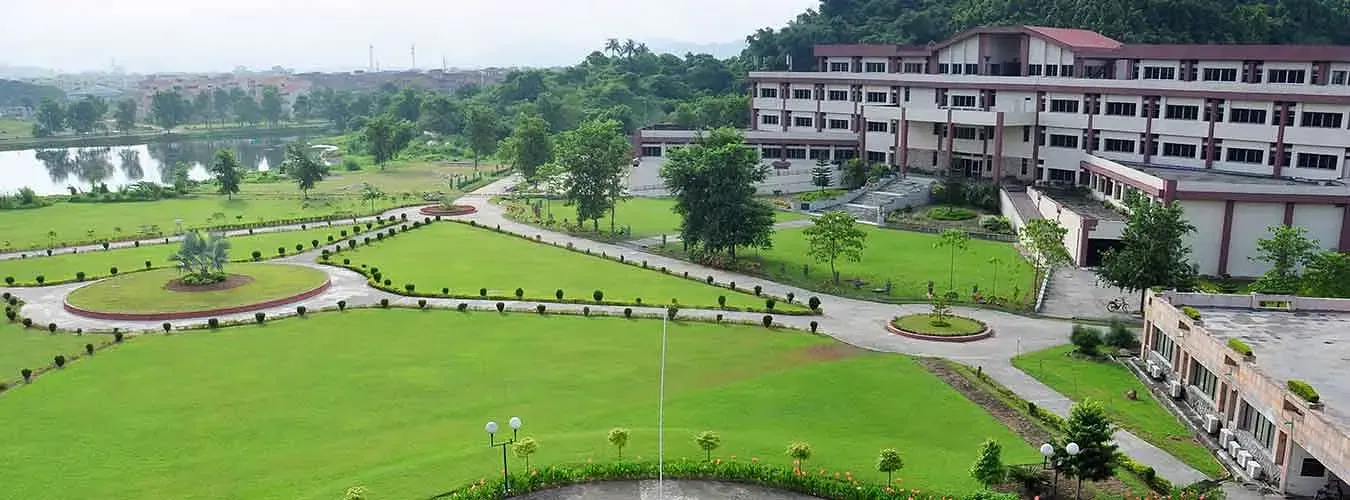
A four-year undergraduate engineering degree in branches such as Computer Science, AI & Data Science, Mechanical, Civil and Electronics.
The Bachelor of Technology (B.Tech) is India’s flagship engineering degree. The first year covers mathematics, physics, chemistry, programming and engineering fundamentals; from the second year you focus on your chosen branch through lectures, labs, projects and internships.
Class 12 with Physics, Chemistry and Mathematics from a recognised board. Many institutes require minimum aggregate marks (often 45–75% depending on the institute and category).
JEE Main (NITs, IIITs and many state and private colleges), JEE Advanced (IITs), state exams such as MHT CET, and university tests such as BITSAT, VITEEE and SRMJEEE.
Computer Science, Artificial Intelligence & Data Science, Information Technology, Electronics & Communication, Electrical, Mechanical, Civil and Chemical Engineering.
Software development, data and AI roles, core engineering, design and manufacturing, public-sector jobs through GATE, higher studies (M.Tech/MS) or an MBA.
Choose a specialisation that matches your interests and career goals.
Artificial Intelligence & Data ScienceCivilComputer ScienceElectronics & TelecommunicationInformation TechnologyMechanicalB.Tech is usually a 4 years programme, offered mostly in full time mode.
The most common exam for B.Tech admissions is JEE Main. Many colleges also accept other national, state or institute-level tests — check each college’s course page.
On IqraGuide, total fees for B.Tech start from ₹4,95,000. Fees vary widely by college, city and ownership — compare colleges to find one within your budget.
Graduates can pursue jobs in the private and public sector, start a venture, or continue with higher studies and certifications. See the overview above for typical roles and career paths.